


Shipping Container Modification
Add a review FollowOverview
-
Founded Date October 9, 2017
-
Sectors Graphics
-
Posted Jobs 0
-
Viewed 15
Company Description
The 9 Things Your Parents Taught You About Shipping Container Sizes

Understanding Shipping Container Sizes: A Comprehensive Guide
Shipping containers have become important in the world of logistics and transportation. Their flexibility and resilience make them the go-to option for moving products throughout countries and continents. However, choosing the best container size is crucial, whether you are a company owner seeking to ship products or a private preparation to relocate. This helpful guide intends to clarify the various shipping container sizes, their uses, and the crucial considerations when choosing one for your needs.
Shipping Container Sizes Overview
Shipping containers been available in various sizes, but the most common dimensions are 20-foot and 40-foot containers. The option of size mostly depends on the kind of cargo, shipping guidelines, and particular logistics requirements. Below is a detailed table highlighting the basic shipping container sizes:
| Container Type | External Length | External Width | External Height | Internal Length | Internal Width | Internal Height | Volume (CBM) | Maximum Weight (kg) |
|---|---|---|---|---|---|---|---|---|
| 20 feet Standard | 6.058 m | 2.438 m | 2.591 m | 5.898 m | 2.352 m | 2.385 m | 33.2 | 30,480 |
| 40 feet Standard | 12.192 m | 2.438 m | 2.591 m | 12.032 m | 2.352 m | 2.385 m | 67.7 | 30,480 |
| 40 ft High Cube | 12.192 m | 2.438 m | 2.896 m | 12.032 m | 2.352 m | 2.698 m | 76.4 | 30,480 |
| 45 feet High Cube | 13.716 m | 2.438 m | 2.896 m | 13.556 m | 2.352 m | 2.698 m | 85.0 | 30,480 |
| 10 ft Standard | 3.048 m | 2.438 m | 2.591 m | 2.91 m | 2.352 m | 2.385 m | 15.5 | 10,160 |
Secret Features of Each Container Size
-
20 feet Standard Container:
- Widely used for general cargo like equipment, electronics, and bulk materials.
- Suitable for smaller deliveries and when area is restricted.
-
40 ft Standard Container:
- Suitable for bigger cargo loads, such as furnishings, vehicles, and industrial devices.
- Frequently preferred for worldwide shipping due to its efficiency.
-
40 ft High Cube Container:
- Offers additional height for keeping larger products without compromising volume.
- Commonly used in the shipping of large products or products that need more vertical area.
-
45 ft High Cube Container:
- Even bigger than the 40 ft high cube, this choice maximizes storage for oversized freight.
- It is generally less typical but very useful for specific applications.
-
10 ft Standard Container:
- A useful option for smaller deliveries, short-term storage, or on-site construction requirements.
- Portable and easy to transport, making it a favored choice for smaller companies.
Factors to Consider When Choosing a Container Size
Selecting the ideal shipping container size isn’t simply about dimensions; it involves a tactical factor to consider of several aspects:
- Type of Cargo: Heavier or bulkier products may necessitate bigger or enhanced containers.
- Volume Requirements: Always examine the overall volume of products being delivered to avoid overloading or waste space.
- Transportation Method: Different sizes may yield different costs regarding filling logistics and shipping costs.
- Destination Limitations: Some areas may have size limitations, specifically for inland transport.
Often Asked Questions (FAQ)
1. What are the most typical uses for shipping containers?
Shipping containers are commonly used for carrying goods internationally, as short-term storage, and for converting into living areas or workplaces.
2. Are there specialized containers for particular cargo?
Yes, there are refrigerated containers (reefers), open-top containers, flat racks, and bulk containers designed for specific kinds of cargo.
3. How do I determine the best size for my delivery?
Calculating the volume and weight of your products will assist you pick the suitable size. You can also consult with a shipping specialist or logistics service provider for recommendations.
4. Can I purchase a shipping container?
Yes, shipping containers can be acquired or leased. Different suppliers use different sizes and conditions (new or used).
5. What are the weight limits for shipping containers?
The majority of basic containers have an optimum weight limitation of around 30,480 kg (67,200 lbs), however this can differ based on container type and regulations.
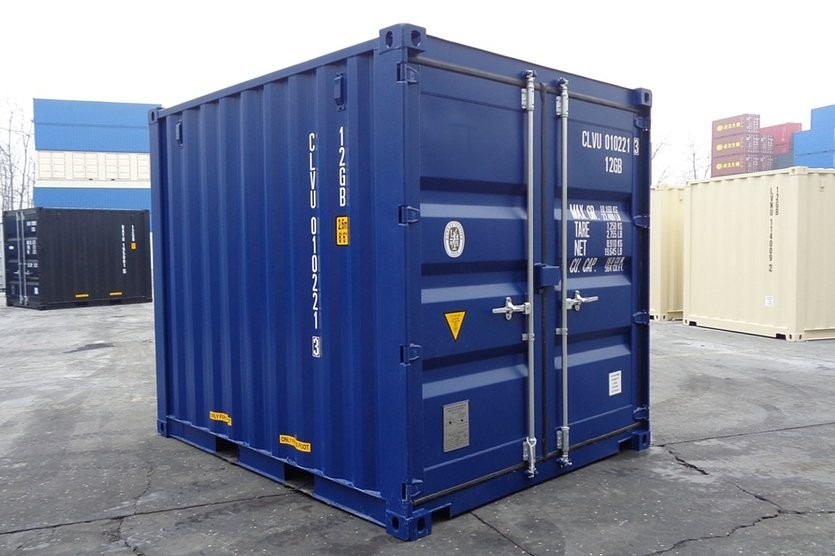
Shipping containers are flexible tools for global trade, with a range of sizes matched to accommodate various shipping requirements. Comprehending the various dimensions, volumes, and weight capabilities is important for organizations and individuals associated with shipping or logistics. Whether choosing a container for commercial goods, individual usage, or ingenious tasks, making an educated choice will help improve the shipping process and make sure that cargo gets here safely and effectively.
Armed with the ideal knowledge about shipping container sizes and considerations, readers can browse their shipping undertakings with confidence.