


Window Glass Repairs
Add a review FollowOverview
-
Founded Date August 2, 1956
-
Sectors Garments
-
Posted Jobs 0
-
Viewed 37
Company Description
The 12 Most Unpleasant Types Of Windows And Doors Replacement Users You Follow On Twitter
Windows and Doors Replacement: A Comprehensive Guide
Changing windows and doors is one of the most impactful home improvement projects a homeowner can undertake. Not only can it improve the aesthetic appeal of a home, but it also uses considerable advantages in terms of energy effectiveness, security, and property value. This post will look into the various aspects of window and door replacement, offering house owners with essential details to make informed choices about their tasks.
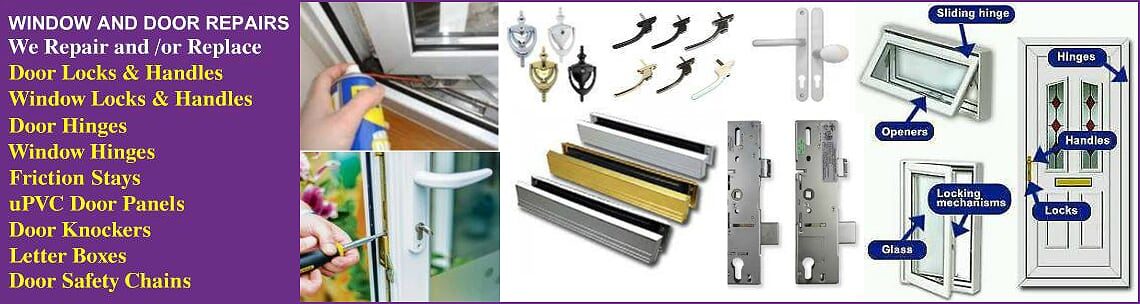
Why Replace Windows and Doors?
-
Energy Efficiency: Among the primary reasons property owners go with window and door replacements is the energy-saving potential. Old, breezy units can considerably increase heating and cooling expenses, while brand-new models can improve insulation and minimize energy expenses.
-
Boosted Security: Upgrading to modern doors and windows normally means investing in better locking systems and products, enhancing the total security of the home.
-
Aesthetics: New windows and doors can transform the outside appearance of a house, making it more attractive and potentially increasing its market worth.
-
Noise Reduction: Good quality windows and doors use sound insulation, making homes quieter and more peaceful.
-
Maintenance: Older windows and doors may need regular Upvc Repairs. More recent materials can decrease maintenance needs and provide longevity.
Kinds of Windows and Doors
Understanding the different kinds of doors and windows readily available assists property owners make notified choices.
Windows
-
Double-Hung Windows: Feature two sashes that move vertically. They enable excellent ventilation and are simple to tidy.
-
Sash Windows: Hinged at the side, these windows open external for maximum airflow and excellent visibility.
-
Awning Windows: Hinged at the top, these open external and are frequently utilized in mix with bigger stationary windows.
-
Single-Hung Windows: Similar to double-hung however with just the bottom sash operable.
-
Sliding Windows: Feature panels that slide open horizontally and work well in locations with restricted area.
Doors
-
Entry Doors: These are the main entryways to a home and can considerably impact curb appeal. They are available in numerous materials, consisting of fiberglass, steel, and wood.
-
Outdoor patio Doors: Available as moving or hinged, these doors produce a smooth shift in between indoor and outside spaces.
-
French Doors: Double doors that open inward or outward, bringing in light and beauty.
-
Storm Doors: Installed outside entry doors to provide additional insulation and security versus the aspects.
-
Garage Doors: Available in many styles and products, they can enhance both functionality and look.
Table: Comparison of Common Window and Door Materials
| Material | Toughness | Maintenance | Energy Efficiency | Aesthetic Options |
|---|---|---|---|---|
| Wood | High | Medium | Medium | High |
| Vinyl | Medium | Low | High | Medium |
| Aluminum | High | Medium | Medium | Medium |
| Fiberglass | High | Low | High | High |
| Steel | High | Medium | Medium | Low |
Steps for Replacement
-
Evaluation: Evaluate the present doors and windows; take note of style, size, condition, and performance.
-
Budgeting: Establish a spending plan. Expenses can vary based on products and labor. Make sure to consider extra expenses like permits or disposal costs.
-
Picking Materials: Based on aesthetic preferences and energy effectiveness goals.
-
Hiring Professionals: Unless the house owner has experience, it’s typically a good idea to employ licensed and skilled specialists for installation.
-
Installation Process: Installation normally includes getting rid of old units, preparing the openings, and correctly sealing new ones.
-
Assessment: After installation, the homeowner must check to make sure everything is operating properly and fulfills local building codes.
FAQs about Windows and Doors Replacement
Q1: How often need to I change windows and doors?A1: Generally, doors and windows must last in between 20 to 25 years, however this can vary based on products, maintenance, and environmental elements. Q2: Do I require a license for window and door replacement?A2: Permits
may be required, depending upon local building codes. It’s important to
talk to regional authorities before beginning the project. Q3: What is the typical cost for window and door replacement?A3: Costs can differ extensively based on materials, labor,and specific project requirements. Typically, house owners can expect to pay between ₤ 300 to ₤ 1,500 per window and between ₤ 500 to ₤ 3,000 per door. Q4: How can I ensure my brand-new windows and doors are energy efficient?A4: Look for units with ENERGY STAR ® scores and think about extra features such as double or triple-glazing, low-E glass, and insulated frames. Replacing doors and windows is a substantial financial investment that not only improves the function and appeal of a home however can also enhance energy effectiveness and security. Property owners ought to put in the time to assess their
needs, check out numerous products and styles, and think about hiring professionals for the installation. By understanding the actions included and the benefits that new windows and doors can offer, property owners can make educated choices and enjoy their upgrades for years to come.